
-
Reflective Control-Handle Dog Harness & Leash Set
Regular price From $29.99Regular price From $29.99 Sale priceUnit price per$59.9850% -
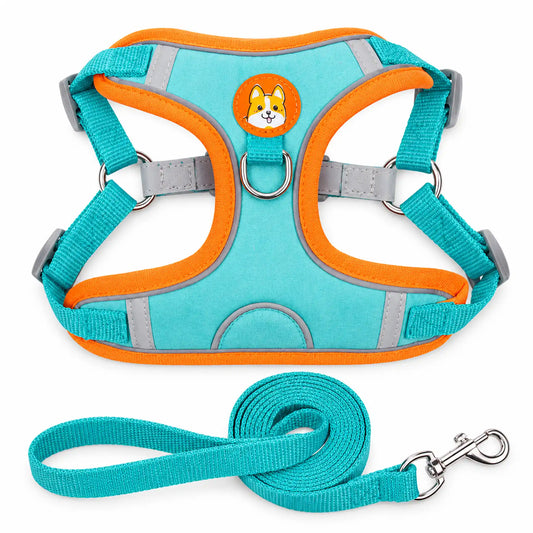
Reflective Mesh Dog Harness & Leash Set
Regular price $29.99Regular price $29.99 Sale priceUnit price per$59.9850% -
IN TRAINING Adjustable Dog Harness
Regular price $29.99Regular price $29.99 Sale priceUnit price per$59.9850% -
Horizontal Crossbody Dog Carrier — Leash & 4 Carry Modes
Regular price From $39.99Regular price From $39.99 Sale priceUnit price per$69.9942% -
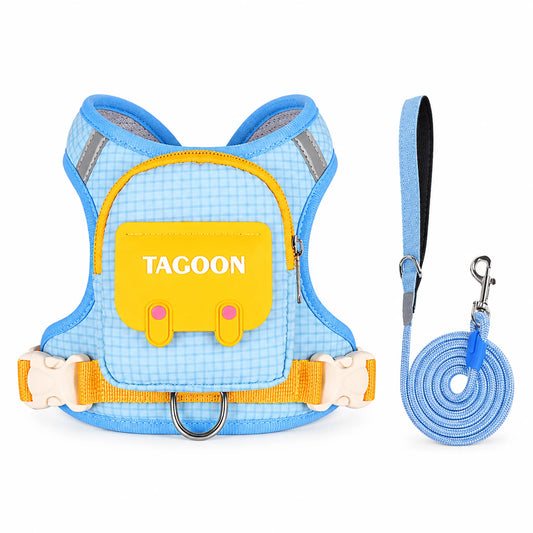
Backpack Dog Harness & Rope Leash Set
Regular price $29.99Regular price $29.99 Sale priceUnit price per$59.9850% -
Reflective Step-In Dog Harness & Leash Set
Regular price $29.99Regular price $29.99 Sale priceUnit price per$59.9850% -
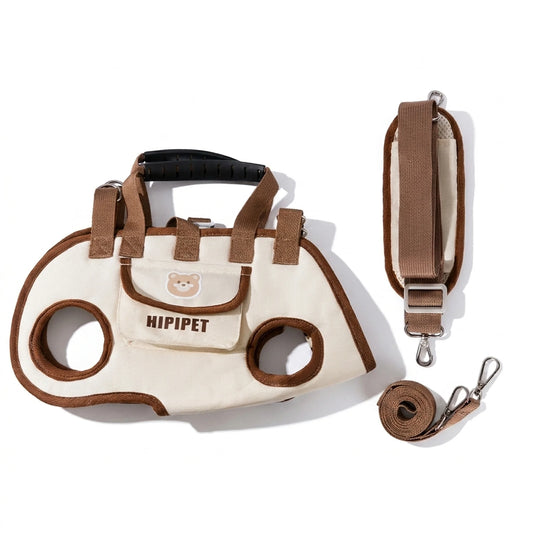
Canvas Dog Carrier Harness Bag | 4-in-1 for Small Dogs
Regular price From $59.99Regular price From $59.99 Sale priceUnit price per$119.9950% -
Tweed Dog Carrier Harness with Matching Leash for Small Dogs
Regular price From $59.99Regular price From $59.99 Sale priceUnit price per$119.9950% -
Escape-Proof Tactical Cat & Small Dog Harness Set with Bungee Leash
Regular price $29.99Regular price $29.99 Sale priceUnit price per$59.9850% -
Escape-Proof Dog & Cat Harness and Leash Set — Mesh Step-In Vest
Regular price From $19.99Regular price From $19.99 Sale priceUnit price per$39.9850%











FAQ
Collar vs harness for walks?
Collar vs harness for walks?
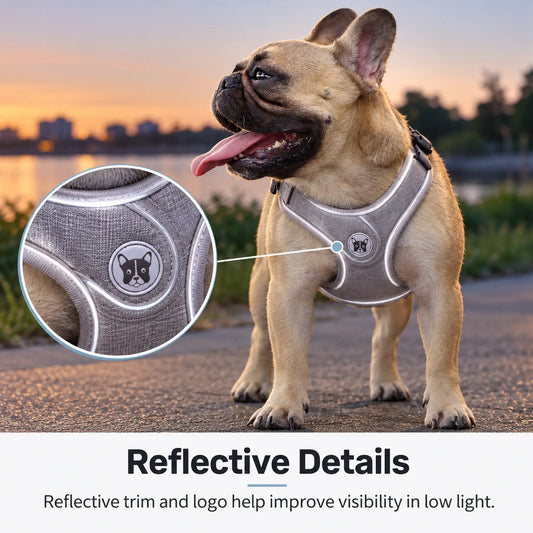
Collars are fine for ID tags and quick potty breaks but put pressure on the throat when a dog pulls. For walks, especially with small breeds and brachycephalic dogs, harnesses are safer.
My cat escapes every harness. What works?
My cat escapes every harness. What works?
Vest-style with two adjustment straps (neck + chest) holds best. Figure-8s are second best. Avoid H-style for escape artists.
How tight should a harness be?
How tight should a harness be?
Two fingers should fit under any strap. Too loose and they slip out; too tight and they restrict breathing.
Do these come in XS sizes?
Do these come in XS sizes?
Yes. Several models start at 5 lbs (toy breeds, kittens) and go up to 90+ lbs.


